
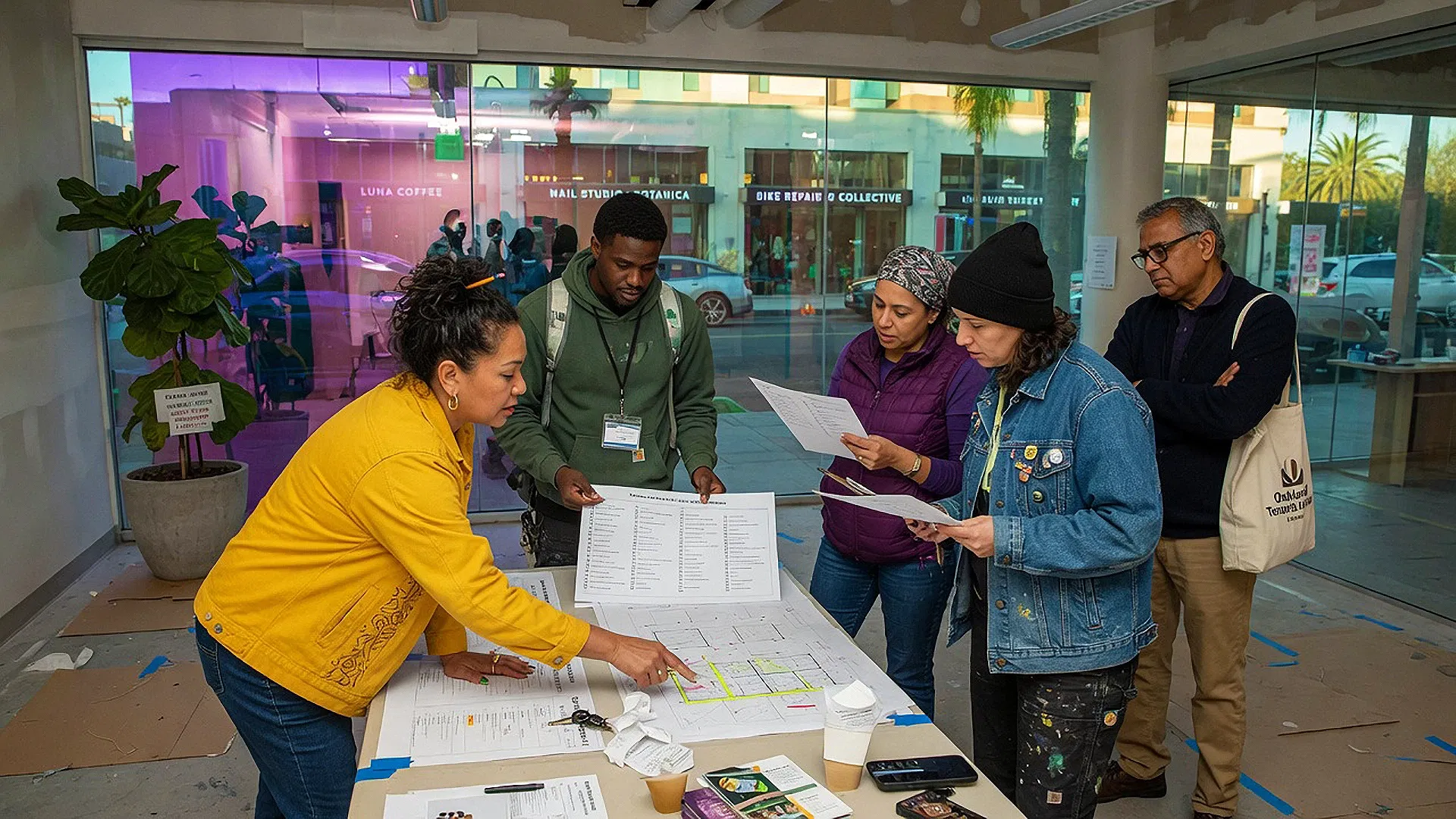
Launching a new association is exciting—but it is also one of the most important operational moments in the life of a community. Whether the project is a residential HOA, a business park association, or a mixed-use community with commercial and residential components, the decisions made before the first owner meeting can affect budgets, maintenance standards, owner satisfaction, and legal compliance for years.
In Northern California, and especially across Oakland, San Leandro, Alameda County, Contra Costa County, and the wider East Bay, new associations face a unique combination of California common interest development law, Department of Real Estate requirements, aging utility infrastructure, local permitting expectations, and high vendor costs.
At SLPM Association Management Services, we help homeowner, business, and mixed-use communities establish the systems they need to operate smoothly from the start. SLPM has served Bay Area and Northern California communities for more than 35 years, with management services that include financial management, maintenance coordination, Davis-Stirling compliance support, CC&R enforcement, reserve study coordination, and vendor oversight.
Why the Launch Phase Matters
A well-run association does not begin after problems arise. It begins before turnover, before the first annual meeting, and before owners start calling about assessments, repairs, access issues, parking rules, or shared-area maintenance.
For new communities, the launch phase should answer four core questions:
- What is the association responsible for maintaining?
- How will the association fund those obligations?
- Which rules, contracts, and vendors are needed on day one?
- How will the board, manager, developer, and owners transition responsibilities?
Skipping these steps can lead to underfunded reserves, unclear CC&R enforcement, vendor gaps, insurance problems, unexpected special assessments, and friction between residential and commercial owners.
1. Establish the Legal Framework Early
For residential common interest developments in California, the Davis-Stirling Common Interest Development Act is the primary legal framework. A common interest development is created when a separate interest is coupled with common area rights or association membership and the required documents—such as the declaration, applicable condominium plan, and required final or parcel map—are recorded.
For a new association, the governing document package typically includes:
- CC&Rs
- Bylaws
- Articles of Incorporation
- Rules and regulations
- Architectural guidelines
- Maintenance matrix
- Collection policy
- Enforcement policy
- Election rules
- Fine schedule
- Budget and reserve disclosures
- Insurance requirements
- Management agreements and service contracts
For business and commercial associations, the documents may look different from a traditional HOA. For mixed-use communities, careful drafting is especially important because commercial and residential users often have different operating needs, hours, parking patterns, utility demands, signage rights, trash service needs, and insurance concerns.
2. Draft CC&Rs with Operations in Mind
CC&Rs should not be treated as a generic legal template. They should be drafted around how the property will actually function.
For Northern California communities, the CC&Rs and supporting rules should clearly define:
- Association maintenance responsibilities
- Owner maintenance responsibilities
- Exclusive-use common areas
- Parking rights and enforcement procedures
- EV charging procedures
- Trash, recycling, and composting obligations
- Commercial loading and delivery areas
- Signage standards
- Noise, odor, and nuisance provisions
- Architectural approval procedures
- Insurance obligations
- Utility cost allocations
- Assessment formulas
- Dispute resolution procedures
- Rules for rentals, if applicable
- Developer transition obligations
For mixed-use projects, one of the biggest mistakes is failing to separate residential and commercial cost centers. If a ground-floor business uses different utilities, signage, trash service, security, HVAC, grease control, or loading access than the residential component, the governing documents should make those responsibilities clear before owners move in.
3. Coordinate the DRE Public Report Process
Before marketing many new subdivisions in California, subdividers must obtain a public report from the California Department of Real Estate. Public reports typically include key buyer disclosures such as CC&Rs, maintenance costs, assessments, and information about common areas.
Before issuing the public report, the subdivider must file an application and supporting documents. If improvements are not complete, the subdivider must also show that adequate financial arrangements have been made for completion.
For new associations, this means the launch team should align the budget, reserve study, CC&Rs, maintenance obligations, and management plan before the public report process is finalized.
A strong launch package should include:
- Initial operating budget
- Reserve study or reserve estimate
- Insurance estimates
- Utility assumptions
- Vendor cost assumptions
- Maintenance responsibilities
- Management contract
- Assessment schedule
- Disclosures for owners and buyers
- Transition timeline
4. Build a Realistic First-Year Budget
The first-year budget is one of the most important documents in the life of a new association. If assessments are set too low, the association may begin underfunded. If costs are unclear, the first board may inherit financial pressure before it has the experience or data to respond.
The budget should account for:
- Management fees
- Insurance premiums
- Utilities
- Landscape maintenance
- Janitorial service
- Elevator service, if applicable
- Gate, access control, or security systems
- Fire/life-safety inspections
- Roof and building maintenance
- Common-area lighting
- Trash and recycling service
- Legal and accounting expenses
- Tax preparation
- Reserve contributions
- Emergency maintenance
- Bank fees and software costs
- Compliance mailings and disclosures
In the East Bay, budgets should also consider local vendor pricing, insurance market conditions, older infrastructure, stormwater concerns, private sewer lateral obligations, hillside or wildfire-adjacent conditions, and the higher cost of emergency repairs.
5. Complete the Initial Reserve Study
California law requires association boards to conduct a reasonably competent and diligent visual inspection of accessible major components at least once every three years when the relevant statutory threshold applies, and the board must review the study annually and make necessary adjustments.
A reserve study should identify major components the association is responsible for maintaining, estimate useful life, estimate repair or replacement costs, and establish a funding plan for components with an expected remaining life of 30 years or less.
For a new association, the initial reserve study should be completed before the community is fully operational whenever possible. It should be based on actual construction plans, warranties, maintenance obligations, and common-area assets.
Common reserve components may include:
- Roofs
- Exterior painting
- Paving
- Concrete
- Drainage systems
- Elevators
- Fire alarm systems
- Gates and access systems
- Lighting
- Fencing
- Clubhouse or recreation areas
- Pool and spa systems
- Irrigation systems
- Retaining walls
- Balconies and decks
- Mechanical systems
- Common-area plumbing, electrical, or utility infrastructure
The annual budget report must include, among other items, a pro forma operating budget, reserve summary, reserve funding plan summary, statements about deferred repairs, anticipated special assessments, reserve funding mechanisms, and insurance summaries.
6. Set Up Vendor Relationships Before Owners Move In
Vendor setup should happen before the association is fielding daily requests. At a minimum, the association should identify and onboard vendors for:
- Emergency plumbing
- Electrical repairs
- Fire/life-safety service
- Landscaping
- Janitorial
- Garage doors or gates
- Elevators
- Pest control
- Roofing
- General maintenance
- Insurance brokerage
- Legal counsel
- CPA/tax preparation
- Reserve study provider
- Towing or parking enforcement, if applicable
- Security or patrol, if applicable
SLPM emphasizes structured vendor oversight, including competitive bidding and transparent vendor pricing practices. For new communities, vendor onboarding should include:
- W-9 forms
- Certificates of insurance
- License verification, where applicable
- Scope of work
- Service schedules
- Emergency response procedures
- After-hours contact information
- Contract expiration dates
- Performance expectations
- Board approval thresholds
7. Address East Bay Regulatory and Infrastructure Nuances
Northern California associations often face local obligations that do not appear in a generic HOA launch checklist.
In parts of the East Bay, private sewer lateral compliance is a major issue. Depending on the location and project type, the launch team may need to evaluate:
- Private sewer lateral compliance
- EBMUD service requirements
- Local stormwater treatment responsibilities
- City-specific inspection requirements
- Alameda County or Contra Costa County permitting obligations
- Fire district access and inspection requirements
- Trash enclosure and organics compliance
- Bay Area air quality or generator rules
- Local business signage requirements
- Parking enforcement limits
- Utility metering and submetering
- Balcony, deck, and elevated exterior element obligations
- Flood, earthquake, and hillside risk considerations
For mixed-use communities, these issues can be more complex because commercial tenants may have different utility demands, grease interceptor needs, waste volumes, delivery schedules, or public access concerns.
8. Prepare the Board for Turnover
Developer-to-owner transition is a critical moment. The new board needs more than a binder of documents. It needs a practical operating structure.
A turnover package should include:
- Recorded governing documents
- Approved rules and policies
- Current budget
- Reserve study
- Bank account information
- Insurance policies
- Vendor contracts
- Maintenance schedules
- Warranties
- As-built plans
- Utility account information
- Owner roster
- Assessment ledger
- Delinquency report
- Open maintenance items
- Litigation or claim history, if any
- Meeting minutes
- Tax filings
- DRE-related disclosures
- Developer completion obligations
The first owner-controlled board should also receive training on:
- Fiduciary duties
- Open meeting requirements
- Budget review
- Reserve funding
- Enforcement procedures
- Architectural review
- Vendor approval
- Records retention
- Insurance basics
- Emergency response
- Homeowner communication
9. Create the First 12-Month Launch Timeline
A practical launch timeline helps keep the developer, manager, attorney, reserve analyst, vendors, and board aligned.
6–12 Months Before First Closings
- Draft CC&Rs, bylaws, articles, and rules
- Confirm maintenance responsibilities
- Prepare preliminary operating budget
- Begin reserve study coordination
- Identify insurance needs
- Review utility and service assumptions
- Coordinate DRE public report materials
- Build owner communication templates
3–6 Months Before First Closings
- Finalize management agreement
- Open association bank accounts
- Review vendor bids
- Confirm insurance placement
- Establish assessment collection process
- Create owner welcome packet
- Build maintenance calendar
- Confirm emergency response procedures
0–90 Days Before First Closings
- Activate accounting systems
- Load owner accounts
- Confirm vendor start dates
- Distribute owner welcome materials
- Confirm portal access
- Schedule initial inspections
- Verify utility account transfers
- Prepare first board meeting agenda
- Review compliance calendar
First 90 Days After Launch
- Hold organizational board meeting
- Review budget performance
- Confirm reserve study assumptions
- Inspect common areas
- Track warranty items
- Confirm vendor performance
- Begin owner communication rhythm
- Establish architectural review process
- Review delinquency procedures
- Schedule regular board meetings
First Year
- Review reserve funding
- Prepare annual disclosures
- Evaluate vendor contracts
- Update rules as needed
- Review insurance renewals
- Conduct maintenance walkthroughs
- Prepare next fiscal year budget
- Train board members
- Address transition deficiencies
- Build long-term capital planning calendar
10. Do Not Wait to Bring in Management
Many new associations wait too long to involve a professional management company. By the time owners move in, the association may already have unclear vendor contracts, incomplete budgets, missing documents, or owner expectations that do not match the CC&Rs.
An experienced association manager can help coordinate:
- Budget development
- Reserve study coordination
- Vendor setup
- Owner communication
- Board onboarding
- Compliance calendars
- Maintenance schedules
- Assessment collection
- Document organization
- Developer transition support
For East Bay communities, local experience matters. A management company familiar with Oakland, San Leandro, Alameda, Hayward, Berkeley, Castro Valley, Fremont, Walnut Creek, Concord, and surrounding communities can help identify practical issues before they become expensive problems.
Final Checklist for a Successful New Association Launch
Before the association is fully operational, confirm that the following are complete:
- Governing documents are recorded and internally consistent
- Maintenance matrix is clear
- Initial budget is realistic
- Reserve study is complete or scheduled
- Insurance is bound
- Bank accounts are open
- Assessment process is active
- Vendor contracts are reviewed and approved
- Emergency vendors are identified
- Owner portal is ready
- Welcome packet is complete
- Compliance calendar is built
- Board meeting schedule is established
- DRE-related obligations are coordinated
- Local East Bay utility and sewer obligations are reviewed
- Transition documents are organized
- Board training is scheduled
Set Your New Association Up for Long-Term Success
A new association launch is more than a legal filing or a first meeting. It is the foundation for the community’s financial stability, maintenance quality, compliance posture, and owner experience.
SLPM Association Management Services helps Northern California HOAs, business associations, and mixed-use communities build that foundation with practical systems, local vendor knowledge, financial management, reserve study coordination, maintenance support, and Davis-Stirling compliance experience.
If you are launching a new association in Oakland, San Leandro, Alameda County, Contra Costa County, or anywhere in the East Bay, SLPM can help your community start strong.
Contact SLPM Association Management Services to request a complimentary association assessment or proposal.