
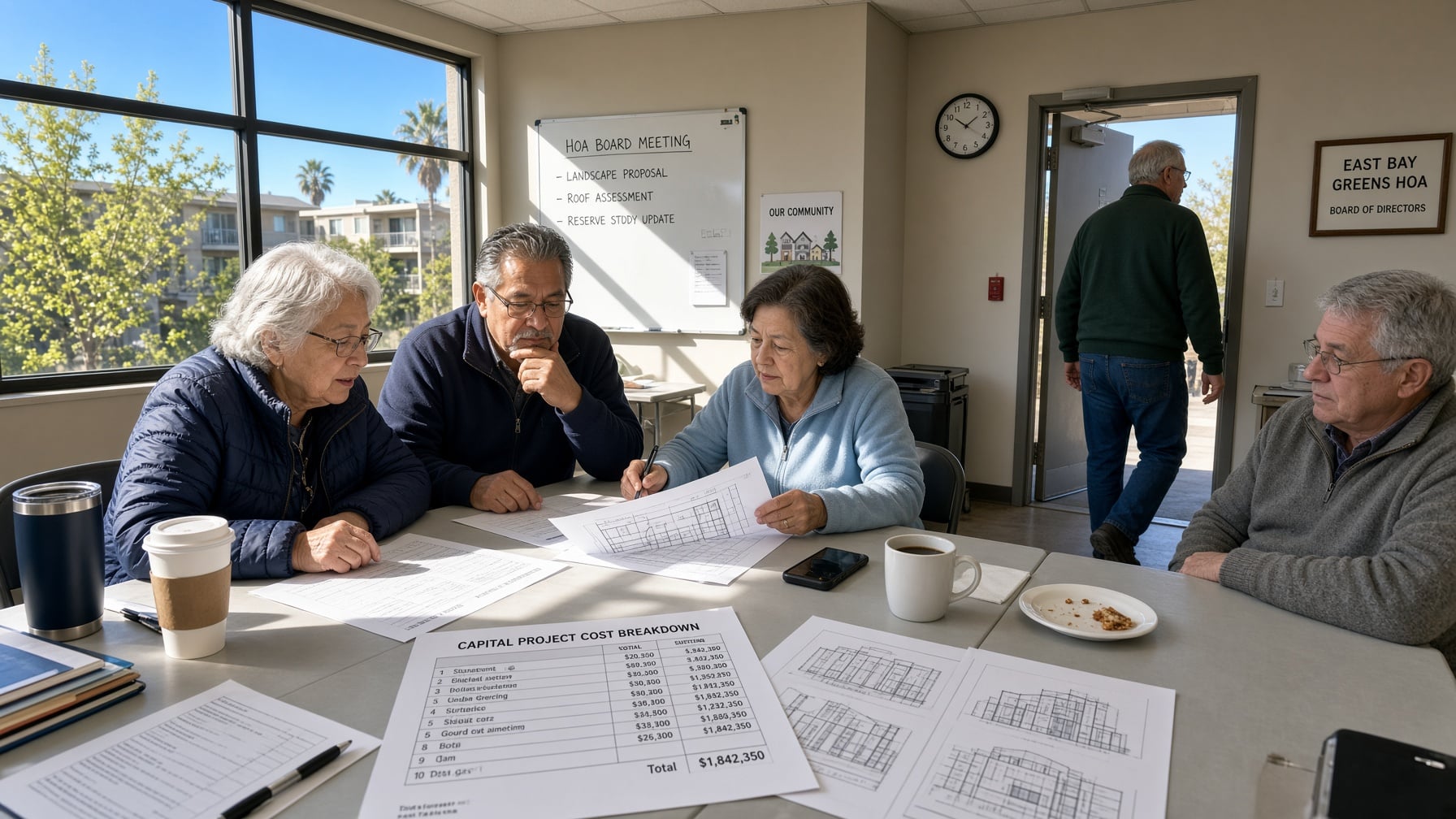
When the Directors Who Live Above the Failing Roof Control the Assessment Vote, Owners Notice
When directors who own units in the building needing major repairs control the special-assessment vote, owners notice. California law requires disclosure and a documented process so the allocation can withstand scrutiny.

FDIC Limits and HOA Reserves: Why Parking $700,000 at One Bank Can Put Directors on the Hook
East Bay HOA directors who leave large reserve balances at one bank risk uninsured losses above the $250,000 FDIC limit. A bank failure can force a special assessment and raise personal-liability questions under the duty of care.
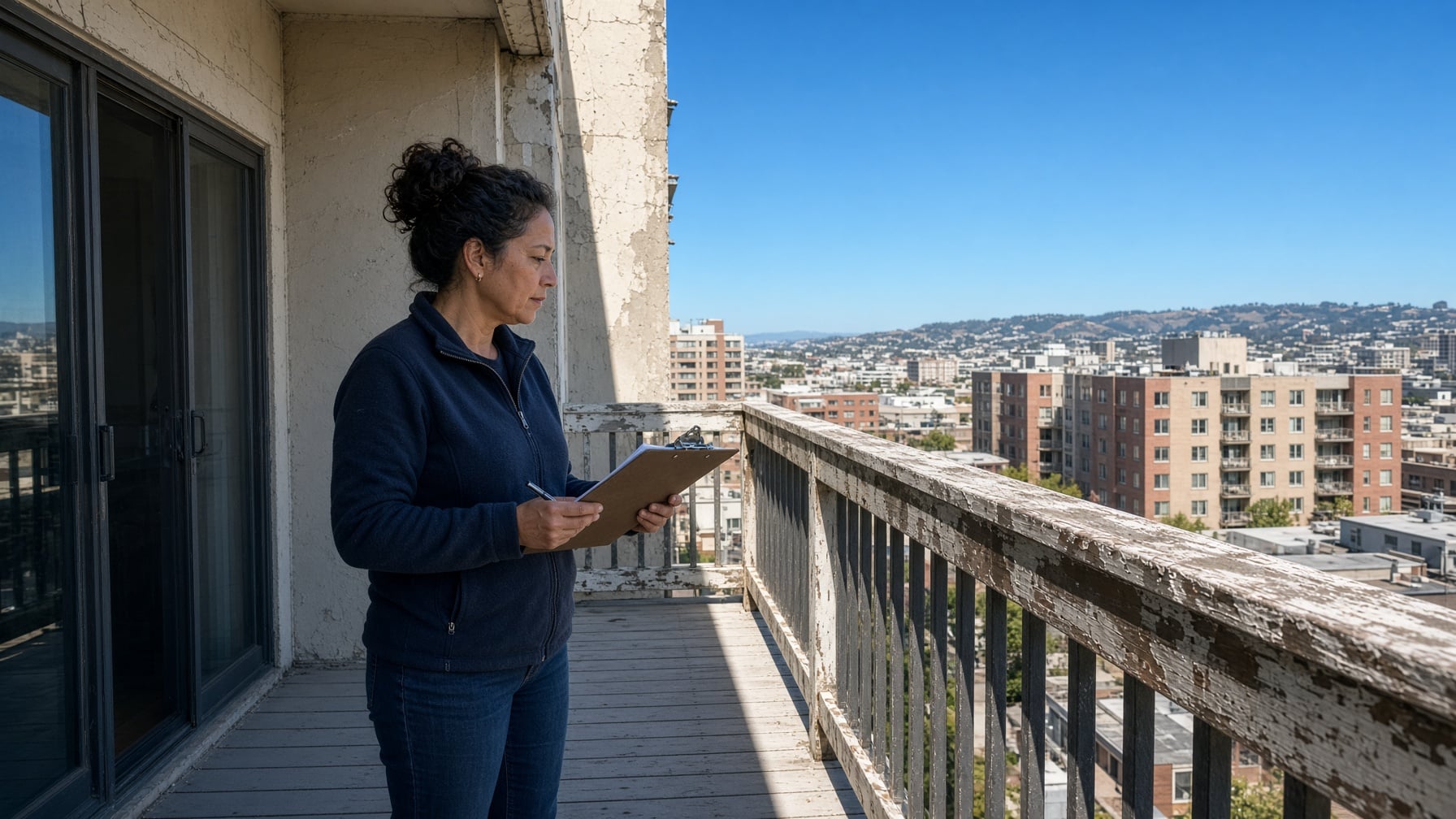
Self-Managed Associations Are Hitting the Wall First. The Signs Your Board Is Already Behind on Insurance, Reserves, and Inspections
Volunteer boards that kept dues flat for years now face rising insurance, overdue balcony inspections, and underfunded reserves. Those deferred costs often arrive as large special assessments that professional management could have spread out.
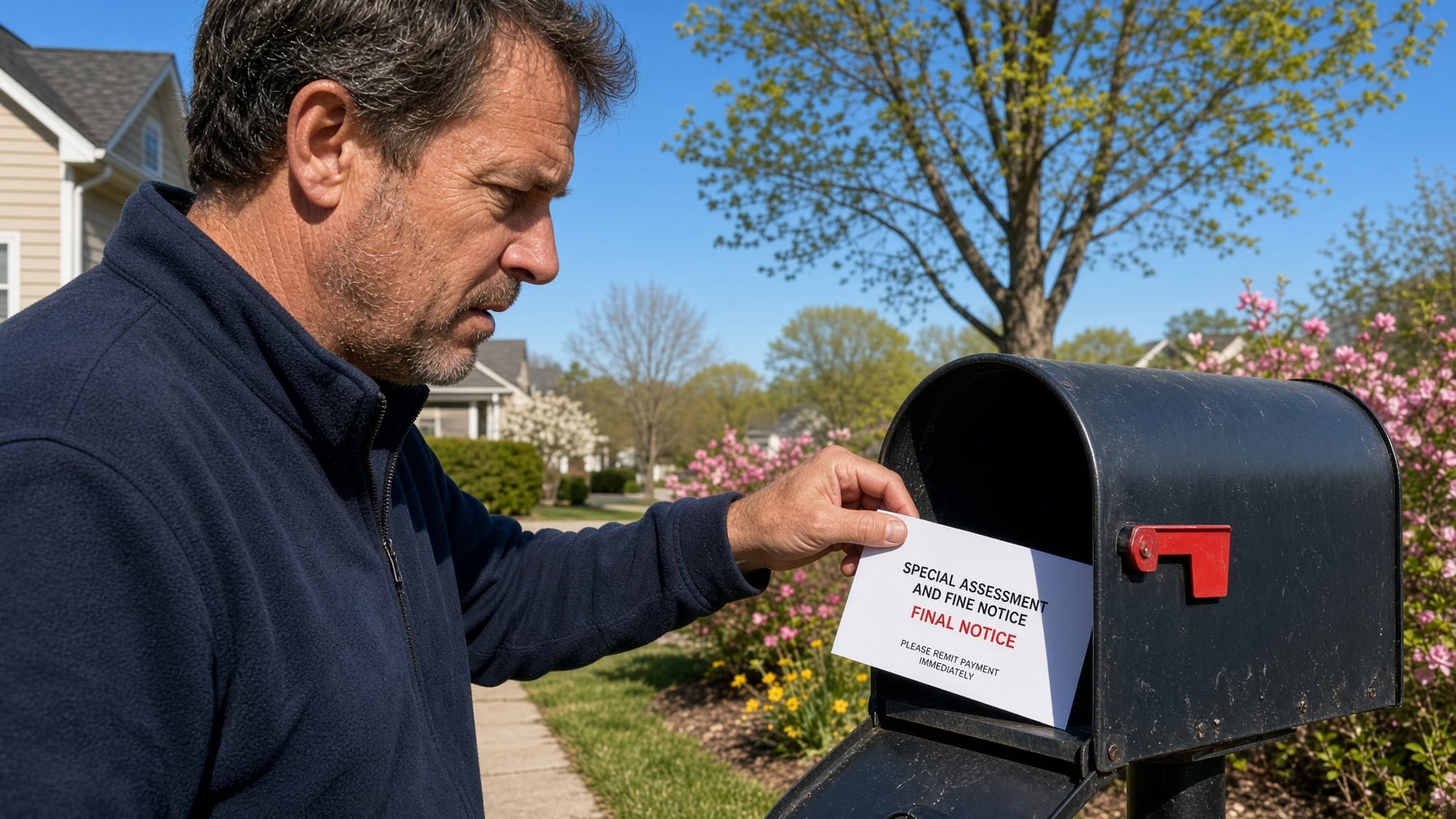
The $100 Fine Cap Is Real. Boards That Keep Using Old Penalty Schedules Are Inviting Challenges
California’s AB 130 caps most HOA fines at $100 per violation or the posted schedule, whichever is lower. Boards still quoting higher old-schedule amounts create easy due-process challenges under Civil Code 5850.
Special Assessments for Insurance Do Not Automatically Qualify as “Emergency” Assessments
Insurance premium spikes do not automatically let California HOA boards skip a membership vote. Civil Code 5610’s emergency exceptions are narrow, and most insurance special assessments above the 5 percent aggregate still require owner approval under section 5605.
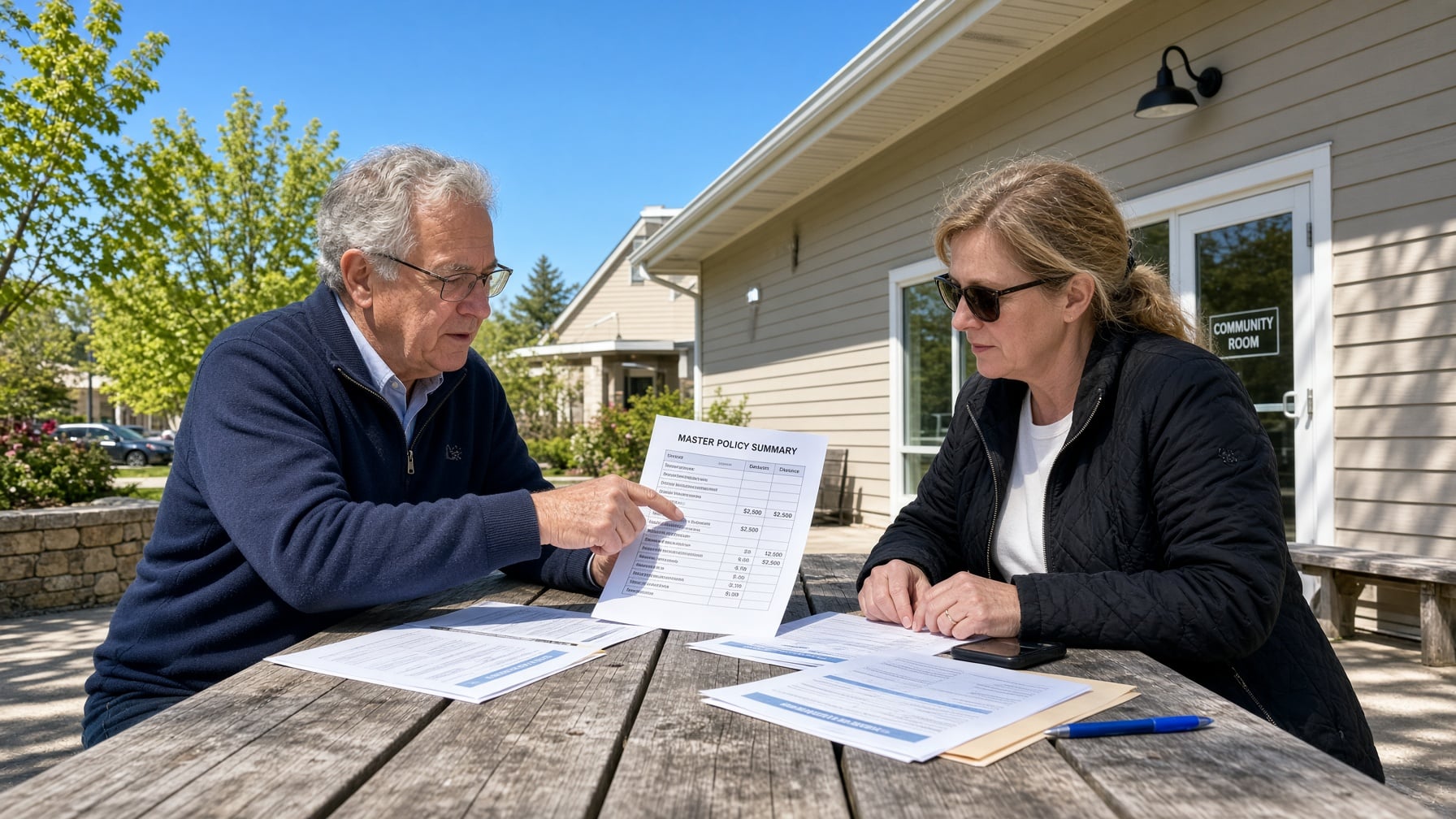
When the Master Policy Deductible Jumps to 25% of Building Value, Who Actually Pays After a Claim?
Higher master-policy deductibles shift more risk to California associations and owners. Boards need a clear allocation method and advance notice so special assessments after a claim are expected rather than a surprise.