
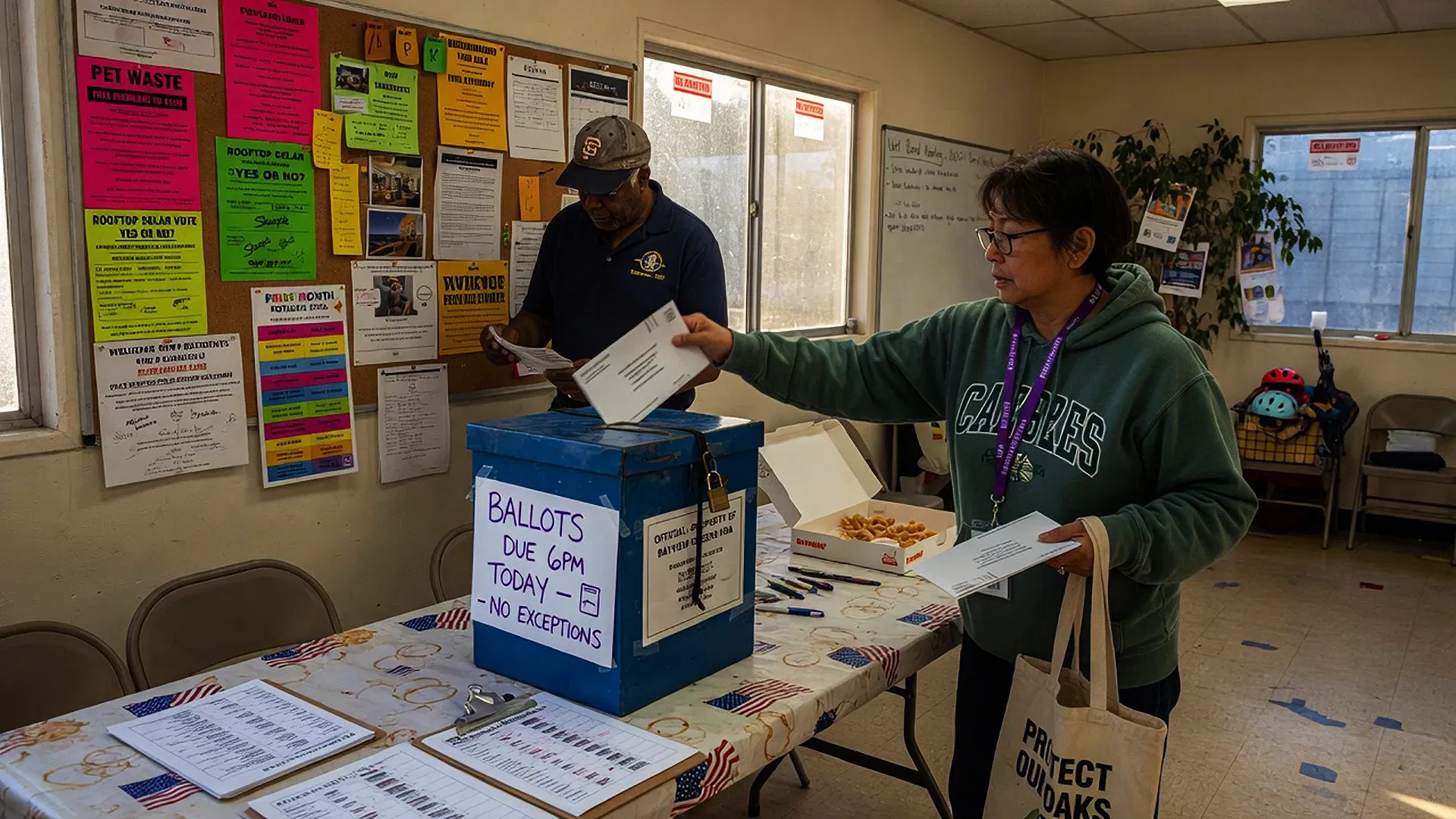
Every HOA board wants an engaged community. But in the Bay Area, owner participation can be hard to sustain. Residents are commuting, working hybrid schedules, managing family obligations, caring for aging relatives, traveling for work, running businesses, and trying to protect what little personal time remains at the end of the day.
In East Bay communities from Oakland and San Leandro to Alameda, Hayward, Berkeley, Castro Valley, Fremont, Walnut Creek, Concord, and surrounding neighborhoods, owner apathy is rarely simple laziness. More often, it is a mix of time pressure, meeting fatigue, unclear communication, skepticism, language barriers, digital overload, and the feeling that board decisions are already made before owners show up.
The solution is not to lecture owners about caring more. The solution is to make participation easier, clearer, more useful, and more respectful of busy Bay Area lifestyles.
SLPM Association Management Services helps East Bay homeowner, business, and mixed-use associations build participation systems that fit real life: better election planning, more accessible meetings, mobile-first communication, practical community events, and board processes that owners can actually understand.
Why Owner Apathy Happens in Bay Area HOAs
Owner apathy often appears as low meeting attendance, uncontested elections, ignored ballots, minimal committee participation, lack of feedback on budgets or rules, and frustration that surfaces only after decisions are made.
But boards should be careful about assuming owners do not care. Many owners care deeply about property values, maintenance quality, reserves, insurance costs, security, parking, landscaping, and rule enforcement. They simply may not see the association’s process as a practical use of their limited time.
National time-use data shows how limited that time can be. The U.S. Bureau of Labor Statistics reported that, in 2024, full-time employed people worked an average of 8.4 hours on weekdays when they worked. Bay Area commute patterns add another layer: the Metropolitan Transportation Commission reported that, in 2024, 13 percent of Bay Area residents had extreme commutes lasting at least one hour each way.
That means a traditional two-hour evening meeting, with a long agenda and unclear outcomes, may be competing against work, childcare, dinner, commute recovery, exercise, eldercare, and basic household tasks.
Board takeaway: Low participation is often a design problem. If the association makes participation difficult, confusing, or unrewarding, even responsible owners will disengage.
Start by Defining the Type of Participation You Actually Need
Not every owner needs to attend every board meeting. A healthy association has different levels of participation, and boards should make room for all of them.
Practical participation levels include:
- Awareness: Owners read notices, understand major projects, and know how assessments are used.
- Feedback: Owners respond to surveys, comment on proposed rules, and ask useful questions.
- Voting: Owners return ballots and participate in elections.
- Meeting attendance: Owners attend meetings when agenda items affect them or the community.
- Committee involvement: Owners help with landscaping, architectural review, events, safety, finance, or communications.
- Board service: Owners volunteer to serve as directors or candidates for future elections.
Apathy improves when boards stop treating participation as all-or-nothing. An owner who never wants to serve on the board may still vote reliably, answer surveys, attend an annual meeting, or help organize a Saturday cleanup.
Make Board Elections Easier to Understand and Harder to Ignore
Elections are one of the clearest signs of association health. When owners do not understand who is running, what the board does, how ballots work, or why quorum matters, participation drops.
California law requires secret ballots for certain elections and votes, including director elections, director removals, governing document amendments, certain assessment votes, and grants of exclusive use common area. Associations must also use independent inspectors of elections and follow statutory election procedures.
The legal details matter, but owner-facing communication should be simple. The average owner does not need a legal treatise. They need to know what is being voted on, why it matters, when the ballot is due, and what happens if the association does not reach quorum.
Election Participation Tactics That Work
- Create a plain-English election calendar. Include nomination deadline, ballot mailing date, voting deadline, meeting date, and result notice timing.
- Explain what the board actually does. Owners are more likely to run when they understand the role is oversight, not doing every maintenance task personally.
- Use candidate Q&A sheets. Ask every candidate the same short questions and distribute the responses equally.
- Send a “why your ballot matters” reminder. Tie the election to real issues: reserves, insurance, maintenance, community standards, security, and long-term planning.
- Avoid insider language. Terms like quorum, inspector, executive session, and cumulative voting should be explained in ordinary language.
- Track ballot return milestones. Without disclosing votes, the association can remind owners how close the community is to reaching quorum.
Better election message: “Your ballot helps the association reach quorum, seat a board, approve necessary business, and avoid the cost of reconvened meetings. Please return your ballot by the deadline even if you do not attend the meeting.”
Use Electronic Voting Carefully and Legally
Electronic voting can help busy owners participate, but it is not something a California association should launch casually. California Civil Code now allows associations to use electronic secret ballots under specific procedures, but the association must adopt proper election operating rules, maintain voting lists, protect ballot secrecy and integrity, provide required notices, and preserve written ballot options where required.
Electronic voting may be especially useful in Bay Area communities with many commuting professionals, remote owners, second-home owners, rental-heavy buildings, or owners who travel frequently.
Before Moving to Electronic Voting, Boards Should Ask:
- Do our current election rules authorize electronic secret ballots?
- Have we followed the required operating rule change process?
- Do we have accurate owner email addresses?
- How will owners opt in or opt out, depending on the adopted system?
- How will owners without email access receive written ballots?
- Does the voting system authenticate identity while preserving ballot secrecy?
- Can the inspector of elections access records needed for recount, inspection, and review?
- How will owners receive clear instructions before the voting deadline?
Electronic voting should be treated as a participation tool, not a shortcut around legal process. The strongest systems make voting easier while preserving fairness, confidentiality, and confidence in the outcome.
Design Virtual and Hybrid Meetings Around Real Owner Behavior
Virtual and hybrid meetings can increase access, especially for owners with long commutes, mobility limitations, childcare responsibilities, work travel, or evening scheduling conflicts. California law recognizes board meetings by teleconference, but boards must follow the applicable requirements for notices, member access, audibility, and physical-location obligations unless a statutory exception applies.
Owners also have the right to attend open board meetings, except executive session portions, and the board must permit members to speak at association and board meetings, subject to reasonable time limits.
The practical lesson is simple: virtual access should make participation easier, not more confusing.
Virtual Meeting Practices That Improve Attendance
- Publish a short agenda summary. Owners are more likely to attend when they know what decisions are actually being discussed.
- Place owner-facing items early. Do not make owners wait 90 minutes for the one issue they care about.
- Use predictable meeting lengths. A focused 60-minute meeting is easier to attend than an open-ended evening meeting.
- Explain how open forum works. Tell owners when they may speak, how long they have, and how to submit questions.
- Test links and audio before the meeting. A broken meeting link can damage trust quickly.
- Use visual agenda slides. A simple slide showing “Tonight’s Decisions” helps owners follow the conversation.
- Summarize outcomes afterward. Many owners will not attend, but they may read a concise recap.
Accessibility reminder: Digital access should not exclude owners who prefer paper, phone, in-person attendance, or traditional notices. A good participation strategy uses multiple channels.
Make Communication Mobile-First, Not Meeting-First
Most owners will not engage with the association by reading long PDFs on a desktop computer. Pew Research Center reports that the vast majority of U.S. adults own a cellphone and about nine-in-ten own a smartphone. For many owners, the phone is the front door to association communication.
That does not mean every HOA needs a complicated technology stack. It means communication should be short, scannable, timely, and easy to act on from a phone.
Mobile-Friendly Engagement Ideas
- Use short subject lines. “Ballot due Friday” works better than “Important Association Election Communication.”
- Put the action first. Start with what the owner needs to do, then provide details.
- Use one topic per message. Avoid burying election reminders inside long newsletters.
- Include deadlines in bold. Owners should not have to hunt for dates.
- Use buttons or clear links. “View agenda,” “Submit question,” “Request architectural form,” or “Return ballot instructions.”
- Send concise meeting recaps. Focus on decisions made, next steps, and upcoming owner opportunities.
- Make documents readable on mobile. Avoid scanned PDFs that require pinching, zooming, and guessing.
A strong mobile-first communication style respects owners’ time. It also reduces avoidable confusion and repeat questions to the board or manager.
Use Surveys Before Owners Become Angry
Many boards only hear from owners after frustration has built up. Short surveys can help associations collect feedback before a decision becomes controversial.
Surveys should be used carefully. They are not a replacement for board judgment, governing documents, legal requirements, or formal votes. But they can help the board understand preferences and communication gaps.
Good HOA Survey Topics
- Preferred meeting times
- Preferred communication channels
- Community event ideas
- Common-area improvement priorities
- Landscape concerns
- Parking pain points
- Security concerns
- Budget education topics
- Volunteer committee interest
Survey Rules of Thumb
- Keep surveys under five minutes.
- Explain how the board will use the results.
- Do not ask questions if the answer cannot influence anything.
- Share a summary of what owners said.
- Separate opinion surveys from legally required votes.
Turn Community Events Into Low-Pressure Engagement
Not every community event needs to be a large social production. In busy East Bay communities, smaller and more practical events often work better than formal mixers.
Owners are more likely to participate when an event is useful, brief, family-friendly, and connected to daily community life.
Event Ideas That Fit Bay Area Lifestyles
- Saturday coffee with the board: A 45-minute informal meet-and-greet near the clubhouse, courtyard, or lobby.
- Community cleanup morning: A short volunteer event followed by coffee, snacks, or a simple thank-you.
- Budget basics night: A plain-English explanation of assessments, reserves, insurance, and maintenance costs.
- Emergency preparedness table: A small event focused on earthquake kits, fire safety, gate access, and contact updates.
- New owner welcome session: A short orientation covering rules, portals, maintenance requests, architectural approvals, and board meeting basics.
- Pet-friendly courtyard hour: A casual outdoor gathering that helps neighbors meet without a formal agenda.
- Vendor education session: Invite a reserve analyst, insurance broker, landscaper, or maintenance vendor to explain a major project in simple terms.
The purpose is not just socializing. Events help owners see the association as a real community rather than a faceless source of rules and assessments.
Recruit Volunteers Without Making Board Service Look Miserable
Many owners avoid board service because they assume it means endless complaints, legal risk, late-night emails, and unpaid project management. If the board itself appears overwhelmed and unsupported, recruitment becomes harder.
Boards can improve recruitment by making service feel structured and manageable.
Ways to make board service more appealing:
- Create short role descriptions for president, treasurer, secretary, and director-at-large.
- Explain the expected meeting schedule and monthly time commitment.
- Use committees for narrow tasks instead of asking every volunteer to become a director.
- Provide onboarding materials for new directors.
- Use professional management support for accounting, notices, records, vendor coordination, and follow-up.
- Avoid public hostility during meetings by using clear open forum rules.
- Thank volunteers publicly and specifically.
Owners are more likely to volunteer when they believe the association has systems, boundaries, and support.
Make Meetings Feel Useful, Not Performative
Nothing fuels apathy faster than meetings where owners cannot tell what happened. A useful meeting has a clear agenda, a manageable length, organized materials, and a visible connection between discussion and action.
Before the Meeting
- Send timely notice consistent with California law and the governing documents.
- Use a clear agenda with decision items identified.
- Provide owner-friendly summaries for major topics.
- Invite questions in advance for complex issues.
During the Meeting
- Start on time.
- Explain open forum rules at the beginning.
- Keep board discussion focused on agenda items.
- Separate owner comments from board deliberation.
- State motions clearly before voting.
- Assign next steps before moving on.
After the Meeting
- Send a short recap of decisions and next steps.
- Post or distribute approved minutes according to the association’s process.
- Follow up on owner questions that required research.
- Track open items so they do not disappear.
Build a 90-Day Participation Reset Plan
Associations do not need to fix years of apathy in one meeting. A 90-day reset can create visible progress without overwhelming the board.
Review current owner emails, mailing addresses, phone numbers, portal access, meeting notices, newsletters, and election communications. Identify outdated contact information and confusing templates.
Rewrite common communications in plain English. Create templates for meeting notices, agenda summaries, election reminders, maintenance updates, and meeting recaps.
Send a short survey asking about preferred meeting times, communication channels, event ideas, and topics owners want explained.
Update board meeting agendas so owner-facing items are clear, decision points are identified, and open forum expectations are easy to understand.
Choose one practical community event, such as Saturday coffee, emergency preparedness, a cleanup morning, or a new owner welcome session.
Review election rules, nomination timelines, inspector needs, quorum requirements, and owner-facing election education before the next annual meeting cycle.
Common Mistakes That Keep Owners Disengaged
Even well-intentioned boards can unintentionally discourage participation. Avoiding these mistakes can make a noticeable difference.
Participation mistakes to avoid:
- Sending long, legalistic notices without a simple summary.
- Holding meetings at times that are consistently difficult for working owners.
- Letting meetings run too long without clear outcomes.
- Using acronyms and technical terms without explanation.
- Only communicating when something is wrong.
- Ignoring new owners after move-in.
- Making board service look hostile, thankless, or disorganized.
- Failing to explain how assessments connect to real services.
- Waiting until the annual election to talk about volunteering.
- Assuming digital tools solve participation without clear process and legal compliance.
How Professional Management Supports Better Participation
Owner engagement improves when the association has reliable systems. Owners need timely notices, understandable budgets, organized records, consistent meeting support, clear maintenance communication, and election processes they can trust.
SLPM Association Management Services helps East Bay HOAs and mixed-use communities improve participation by supporting meeting preparation, owner communication, election coordination, vendor communication, board packets, budget education, maintenance updates, and follow-through after board decisions.
Professional management also helps reduce the emotional burden on volunteer directors. When owners receive accurate information, timely responses, and clear next steps, board service becomes more manageable—and future volunteer recruitment becomes easier.
Final Checklist: A More Engaged Bay Area HOA
- Define the type of participation your association needs.
- Use plain-English meeting and election communications.
- Make election timelines easy to follow.
- Confirm compliance with California secret-ballot and inspector requirements.
- Evaluate electronic voting carefully before implementation.
- Offer virtual or hybrid access where legally and practically appropriate.
- Make communication mobile-friendly and action-oriented.
- Use short surveys to identify owner priorities.
- Create low-pressure events that fit busy schedules.
- Recruit volunteers with realistic role descriptions.
- Send concise meeting recaps after major decisions.
- Use professional management support to keep the process organized.
Help Owners Reconnect With the Community They Invested In
Owner apathy does not have to be permanent. With better communication, practical meeting design, thoughtful election planning, and realistic engagement options, East Bay associations can bring more owners back into the conversation.
SLPM Association Management Services helps Bay Area HOAs, business associations, and mixed-use communities create organized, legally aware, owner-friendly systems that support stronger participation and healthier board governance.
If your board is struggling with low meeting attendance, uncontested elections, poor ballot return, or weak owner communication, SLPM Association Management Services can help your association build a better participation strategy.
Request an Association Management ProposalLegal note: This article is for general educational purposes only and is not legal advice. HOA meeting, election, notice, electronic voting, and rule-change requirements can vary based on current law, governing documents, and association-specific facts. Boards should consult qualified California association counsel before changing election rules, adopting electronic voting, or modifying meeting procedures.
Sources
- California Legislative Information, Civil Code Section 4090 — Board Meeting and Teleconference Meeting Definition: https://leginfo.legislature.ca.gov/faces/codes_displaySection.xhtml?lawCode=CIV§ionNum=4090.
- California Legislative Information, Civil Code Section 4360 — Notice and Approval of Operating Rule Changes: https://leginfo.legislature.ca.gov/faces/codes_displaySection.xhtml?lawCode=CIV§ionNum=4360.
- California Legislative Information, Civil Code Section 4920 — Notice of Board Meetings: https://leginfo.legislature.ca.gov/faces/codes_displaySection.xhtml?lawCode=CIV§ionNum=4920.
- California Legislative Information, Civil Code Section 4925 — Open Meetings and Open Forum: https://leginfo.legislature.ca.gov/faces/codes_displaySection.xhtml?lawCode=CIV§ionNum=4925.
- California Legislative Information, Civil Code Section 5000 — Membership Meetings: https://leginfo.legislature.ca.gov/faces/codes_displaySection.xhtml?lawCode=CIV§ionNum=5000.
- California Legislative Information, Civil Code Section 5100 — Elections Requiring Secret Ballot: https://leginfo.legislature.ca.gov/faces/codes_displaySection.xhtml?lawCode=CIV§ionNum=5100.
- California Legislative Information, Civil Code Section 5105 — Election Operating Rules and Electronic Secret Ballots: https://leginfo.legislature.ca.gov/faces/codes_displaySection.xhtml?lawCode=CIV§ionNum=5105.
- California Legislative Information, Civil Code Section 5110 — Inspectors of Elections: https://leginfo.legislature.ca.gov/faces/codes_displaySection.xhtml?lawCode=CIV§ionNum=5110.
- California Legislative Information, Civil Code Section 5115 — Voting Procedures and Ballot Delivery: https://leginfo.legislature.ca.gov/faces/codes_displaySection.xhtml?lawCode=CIV§ionNum=5115.
- California Legislative Information, Civil Code Section 5120 — Counting Ballots and Election Results: https://leginfo.legislature.ca.gov/faces/codes_displaySection.xhtml?lawCode=CIV§ionNum=5120.
- Pew Research Center — Mobile Fact Sheet: https://www.pewresearch.org/internet/fact-sheet/mobile/
- U.S. Bureau of Labor Statistics — American Time Use Survey 2024 Results: https://www.bls.gov/news.release/pdf/atus.pdf
- Metropolitan Transportation Commission Vital Signs — Bay Area Commute Time: https://vitalsigns.mtc.ca.gov/indicators/commute-time
- Foundation for Community Association Research — Homeowner Satisfaction Survey: https://foundation.caionline.org/research/survey_homeowner/