
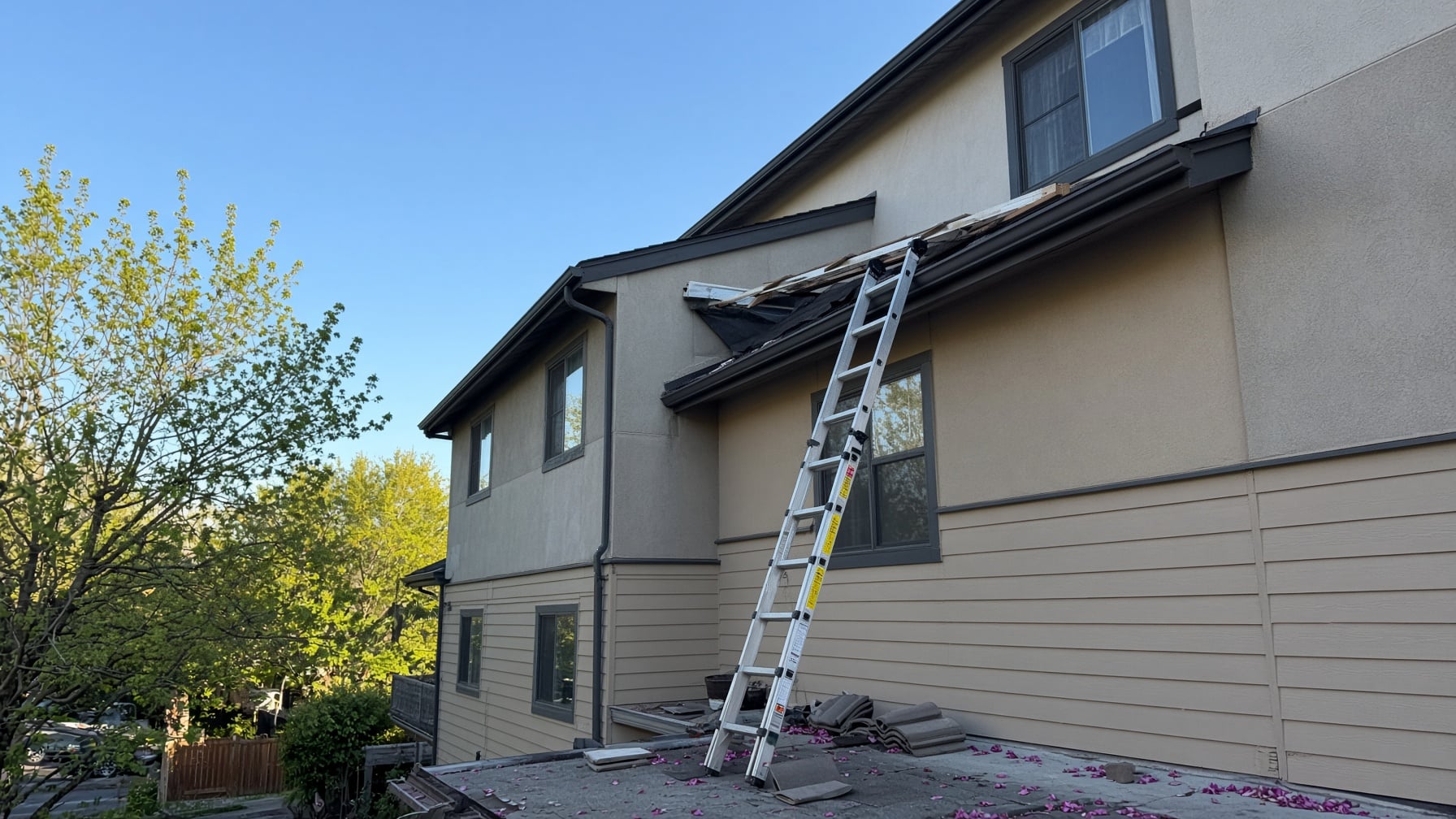
A board that held regular assessments flat for a decade can point to the minutes and say it avoided raising dues. The same board can later open a reserve study that shows the roof, the paving, and the balcony waterproofing are all past their useful life, with almost no money set aside to replace them. The notice that follows is no longer a modest special assessment. It is a five-figure bill per unit. Owners who paid the lower dues for years are now organizing a recall. The decision that felt thrifty at the time turns out to have been the most expensive one the board made.
California associations are seeing this pattern repeatedly. Deferred maintenance plus underfunded reserves produces assessments that many owners cannot absorb on short notice. The San Clemente complex that recently levied roughly $26,000 per unit for roofs is only the most visible example. East Bay communities with older buildings, higher insurance costs, and boards that prioritized flat dues are facing the same arithmetic. Civil Code section 5550 required a reserve study. Section 5300 required the board to disclose whether repairs were being deferred and whether special assessments were expected. Section 5605 limited how much could be raised without a membership vote. None of those rules prevented the shortfall. They only determined how the bill arrives.
What the Reserve Study Was Supposed to Prevent
Civil Code section 5550 requires the board, at least once every three years, to obtain a reasonably competent and diligent visual inspection of the accessible major components the association must repair, replace, restore, or maintain, provided the replacement value of those components meets the statutory threshold. The study must identify components with a remaining useful life of less than 30 years, estimate remaining life and cost, calculate the annual contribution needed after subtracting existing reserves, and include a reserve funding plan. The board must review the study annually and consider necessary adjustments.
The annual budget report under section 5300 must then tell owners whether the board has decided to defer or not undertake repairs of any major component with 30 years or less of remaining life, and whether one or more special assessments are anticipated. The Assessment and Reserve Funding Disclosure Summary required by section 5570 reports the current percent funded. Industry practice treats figures well below 70 percent as elevated risk and figures below 30 percent as a warning that a large special assessment is likely once a major component fails. Boards that keep the reserve contribution low enough to hold dues flat are, in effect, choosing the special-assessment path in advance. The study still exists. The disclosure still exists. The money does not.
East Bay associations that have treated the reserve study as a compliance document rather than a funding document often discover the gap only when a contractor’s bid arrives. A roof that the study predicted would need replacement in year twelve is now in year fifteen, with patch repairs that have shortened the remaining life further. The cost has risen with materials and labor. The reserve balance has not. Coordinated financial management that updates the reserve analysis against actual bids, rather than against last year’s budget line, makes the shortfall visible before the emergency label is attached.
Why “We Kept Dues Low” Does Not Create an Emergency
When the roof finally needs full replacement, boards sometimes attempt to levy the special assessment under the emergency exception in Civil Code section 5610. That section provides that the limits in section 5605 do not apply to assessment increases necessary for emergency situations. The statute defines three categories: an extraordinary expense required by a court order; an extraordinary expense necessary to operate, repair, or maintain the development where a threat to personal health or safety or another hazardous condition is discovered; and an extraordinary expense necessary to repair or maintain the development that the board could not have reasonably foreseen when it prepared and distributed the annual budget report. The third category requires a board resolution containing written findings on necessity and unforeseeability, distributed with the notice of assessment.
A roof the reserve study identified years earlier is not unforeseeable. Deferred maintenance is the opposite of an unforeseen expense. The second category requires a discovered threat to health or safety or a hazardous condition; ordinary end-of-life deterioration does not automatically qualify. Boards that label a long-predicted roof replacement an emergency under section 5610 frequently face challenges from owners who request the reserve study, the prior budget reports, and the written findings. Those records often show the board knew the component was aging and chose not to fund the recommended contribution. The emergency finding then becomes difficult to defend. The membership vote required by section 5605 for special assessments that, in the aggregate, exceed 5 percent of budgeted gross expenses for the fiscal year remains the ordinary path. Calling the assessment an emergency does not erase the earlier decision to underfund the reserves.
Section 5605 itself caps unilateral special assessments at 5 percent of budgeted gross expenses in the aggregate for the year. An association that has already levied smaller special assessments earlier in the fiscal year has less remaining capacity. The aggregate rule prevents splitting one large roof project into several smaller assessments to stay under the ceiling. Notice under section 5615 must still be given 30 to 60 days before the assessment becomes due. Owners who receive a five-figure notice with a short explanation and no prior disclosure of the shortfall are more likely to organize a recall than to accept the bill as the inevitable result of years of flat dues. Compliance support that reviews the reserve study, the funding plan, and the section 5610 findings before the notice is issued reduces the procedural defects that later become the basis of the recall.
The Cost of the Flat-Dues Decision
The arithmetic is straightforward. An association that funds reserves at the level recommended by the study spreads the roof cost across the remaining useful life of the component. Owners pay a higher monthly assessment for a decade. An association that funds reserves at a lower level to keep dues flat pays almost nothing toward the roof for the same decade, then levies a single special assessment that can reach five figures per unit. The second path is more expensive in total once inflation, temporary repairs, and the higher cost of emergency contracting are included. It is also more disruptive. Owners who planned around the lower monthly assessment cannot easily absorb a sudden $20,000 or $30,000 bill. Some sell. Some fall behind. Some organize to replace the board that sent the notice.
The San Clemente example that drew statewide attention involved a roughly $26,000 per-unit assessment for roofs at a 198-unit complex. Owners disputed whether the work qualified as an emergency and began a recall. Similar dynamics appear in East Bay communities where buildings from the 1960s through the 1990s are reaching the end of multiple major components at once. Balcony and elevated-element inspections under section 5551 have added another layer of deferred work that must now be funded. Insurance premiums that have risen sharply in the same period further compress the operating budget, leaving even less room for reserve contributions if dues stay flat. The board that can show a multi-year plan to close the reserve gap spends less time answering recall petitions. The board that cannot show that plan spends the next several months defending both the assessment and its own prior decisions.
What Boards Can Do Before the Next Roof Bid Arrives
Boards that still have time can treat the next reserve study update as a funding decision rather than a disclosure exercise. They can raise the regular assessment within the 20 percent limit in section 5605 and direct the increase to reserves. They can levy a special assessment that stays inside the remaining 5 percent aggregate capacity and earmarks the proceeds for the next major component. They can adopt a multi-year funding plan that is disclosed in the annual budget report so owners see the trajectory before the component fails. Each of those steps is less expensive, and less likely to produce a recall, than waiting until the roof is no longer patchable.
Associations that have already deferred the work still need a clear record of what was known, when it was known, and how the board intends to fund the catch-up. The percent-funded figure in the section 5570 summary is the simplest indicator owners and future buyers will use. A board that can explain the number, the plan to improve it, and the difference between a planned special assessment and an emergency one is harder to recall. A board that can only explain that dues were kept low is not. East Bay associations that have closed reserve gaps without large emergency assessments have generally done so by updating the study against current costs, calculating the section 5605 capacity each year, and sending notices that describe the shortfall before the contractor’s final bid arrives. SLPM Association Management Services has coordinated reserve studies, funding plans, and owner notices for East Bay associations since 1991. If your board is reviewing a reserve study that shows a large shortfall and has not yet confirmed whether the next major component can be funded inside section 5605 or will require a membership vote, the free proposal process lets you see the current percent funded and the missing documentation before the assessment notice is issued.
Request your free association management proposal here. We will review your current reserve study, percent-funded figure, and recent budget reports and identify the funding and disclosure items that are still open.
Sources
- California Civil Code § 5550 (reserve study requirements)
- California Civil Code § 5300 (annual budget report disclosures)
- California Civil Code § 5570 (Assessment and Reserve Funding Disclosure Summary)
- California Civil Code § 5605 (limits on regular and special assessments)
- California Civil Code § 5610 (emergency assessment exceptions)
- Los Angeles Times, “California condo fees are soaring. Some owners fear they can’t survive” (October 2026)